TLDR:
Order tracking improves e-commerce shipping operations by reducing WISMO (Where Is My Order?) tickets, increasing delivery visibility, and enabling proactive exception management before customers complain. For sellers using multiple carriers, a unified tracking view replaces manual USPS, UPS, FedEx, and Canada Post lookups, improving operational control. Once tracking data and notifications are consolidated, support teams shift from reactive ‘where is my order?’ responses to proactive outreach and smarter carrier selection.
Synctrack is an order tracking and branded tracking page platform for Shopify merchants. This guide, written in collaboration with Rollo Ship, explains how unified tracking infrastructure reduces support costs and improves carrier visibility for e-commerce sellers in the U.S. and Canada.
This guide is written for overwhelmed e-commerce operators shipping 100-800 orders a month who feel like every day starts with a new batch of ‘where is my order?’ emails instead of a predictable workflow.
Order tracking for e-commerce – at a glance
For sellers shipping 200+ orders monthly, that translates to 30+ avoidable support interactions per month. Order tracking doesn’t just inform customers – it restructures shipping operations by reducing manual lookups, enabling proactive exception management, and consolidating carrier data into one operational view.
Order tracking is the automated system that monitors every shipment from label creation through delivery confirmation – logging carrier scans, flagging exceptions, and syncing updates to both seller dashboards and customer notifications across USPS, UPS, FedEx, and Canada Post. It eliminates manual carrier portal lookups by consolidating USPS, UPS, FedEx, and Canada Post tracking data into one operational view.
For sellers shipping 200+ orders monthly, unified tracking infrastructure can reduce WISMO support volume and cut several hours of monthly manual tracking labor by eliminating repeated carrier portal lookups.
The tracking workflow begins when a shipping label is generated and a tracking number is created. The carrier scans the package at pickup, which activates the tracking number in their system. Each subsequent scan – at sorting facilities, distribution centers, and during final delivery – updates the shipment status.
There are two distinct tracking layers: seller-side tracking (operational dashboard view) and customer-side tracking (branded tracking pages, email updates, and SMS notifications). Seller-side tracking provides real-time shipment visibility across all orders, enabling exception management and carrier performance analysis. Customer-side tracking keeps buyers informed, reducing anxiety and support inquiries.

For sellers shipping 500 orders monthly with a 15% WISMO rate, that’s 75 tickets per month – $300–$600 in monthly support costs that proactive tracking eliminates. This direct cost includes agent time (5-8 minutes per ticket), customer service platform fees, and context-switching overhead.
As analyzed in the Claimlane Ecommerce Support Cost Guide, resolving a single manual ticket costs an average of $4 to $12. A support agent handling WISMO inquiries must log into carrier portals, locate the tracking number, interpret scan events, and translate carrier language into customer-friendly updates.
Hidden costs compound the direct expense. Customers who contact support asking “where is my order?” often express anxiety about whether the order will arrive at all. Without immediate answers, some request refunds before the package arrives. Others leave negative reviews citing poor communication. A percentage abandon future purchases because delivery uncertainty erodes trust in the brand.
A Shopify brand ships 600 orders per month across USPS, UPS, and FedEx. Without a unified tracking system, the brand’s support team manually checks tracking status 90 times per month – 7.5 hours of manual carrier portal lookups. At $20/hour blended support cost, that’s $150/month in tracking lookup labor alone.
If 15% of customers submit WISMO tickets (90 tickets/month), and each ticket requires 6 minutes of agent time, that’s 9 additional hours per month. Combined, the brand spends 16.5 hours monthly on tracking-related support – $330 in preventable labor costs.
The Overwhelmed Shipper doesn’t wake up wanting to optimize carrier performance data. They wake up with 12 “Where is my order?” emails, a FedEx tracking number that hasn’t updated in 3 days, and a USPS package marked “delivered” that the customer swears never arrived. Every day feels like starting over – no repeatable system, just firefighting.
Tracking infrastructure converts reactive shipping into systematic shipping. Instead of answering “where is my order?” 15 times weekly, you see exception alerts before customers do. Instead of checking USPS.com, UPS.com, and FedEx separately, you see all shipments in one dashboard. Instead of wondering which carrier to trust for Zone 7 next time, you have 6 months of delivery history proving UPS Ground delivers 2 days faster than USPS Priority to that zone.
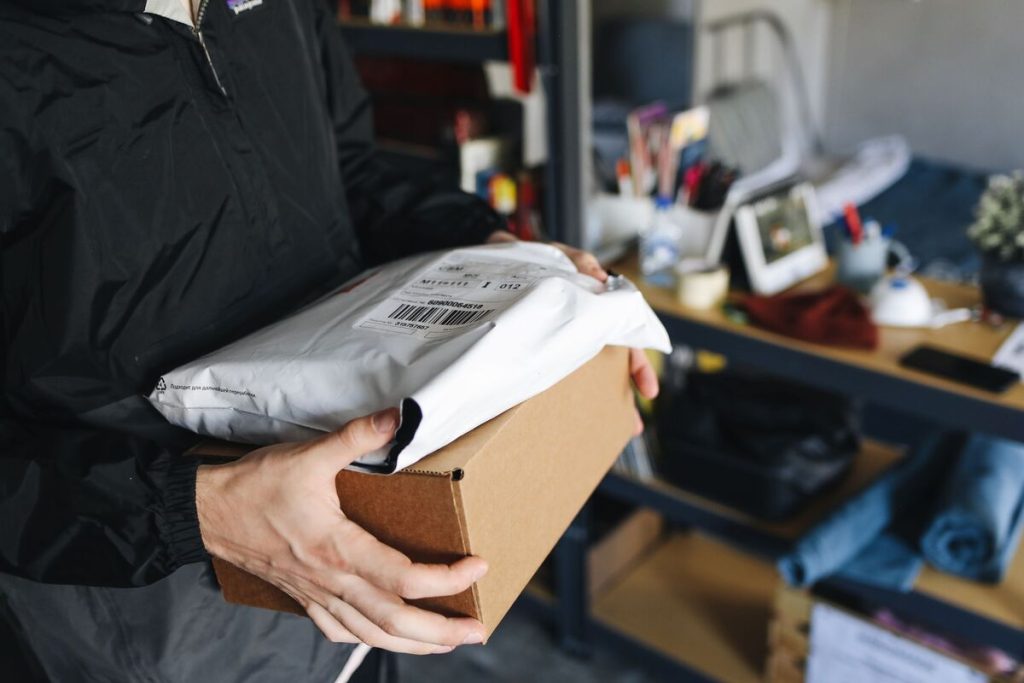
Order tracking improves operational control by providing real-time shipment visibility, enabling exception management before customers complain, and creating carrier performance data for future rate negotiations. Identifying delivery failures, delays, and lost packages before customers discover them shifts support from reactive to proactive.
Proactive exception management is the highest-value operational improvement. Carriers send delay alerts when shipments miss expected delivery windows, weather disrupts transit, or address issues prevent delivery. Monitoring a unified tracking dashboard allows immediate customer notification – often before the customer checks their tracking link. This shifts the support interaction from reactive (“where is my order?”) to proactive (“your order is delayed one day due to weather; it will arrive tomorrow”).
Carrier performance analysis becomes possible when tracking data is aggregated. On-time delivery rates become measurable per carrier, per service tier, and per destination zone. A brand shipping to California might discover that USPS Priority Mail delivers to Los Angeles in 2 days 95% of the time, but UPS Ground delivers in 3 days only 82% of the time. This data informs future carrier selection decisions.
Failed delivery workflows are critical for high-value shipments. Without tracking alerts, the seller learns about delivery failures only when the customer complains. With real-time tracking, the seller can contact the customer, correct the address, authorize driver release, or arrange redelivery before the second attempt.
Multi-carrier sellers using USPS, UPS, FedEx, and Canada Post often provide customers with tracking links to separate carrier portals – creating a fragmented tracking experience. Multi-carrier platforms consolidate tracking data from all carriers into one operational dashboard, eliminating manual lookups and improving operational visibility.
The breaking point isn’t a specific order count – it’s when manual tracking labor exceeds the cost of infrastructure. If you’re spending 6+ hours monthly checking carrier portals, and your blended support cost is $20/hour, you’re paying $120/month in tracking labor. That’s the threshold where unified tracking infrastructure becomes margin-protective, not just convenient.
The fragmentation problem emerges when a seller ships lightweight packages via USPS, ground shipments via UPS, and negotiated-account shipments via FedEx. Each carrier maintains a separate tracking portal with different login credentials and user interfaces. A support agent checking the status of 10 orders might visit three different websites, log in separately to each, and manually match tracking numbers to order IDs.
Unlike sellers who rely on carrier-native tracking portals, brands using multi-carrier shipping platforms like Rollo Ship can consolidate tracking across USPS, UPS, FedEx, Canada Post, and Purolator in one unified dashboard. Rollo Ship syncs tracking updates automatically from label creation through delivery – reducing the need for manual WISMO lookups and enabling faster exception response.
Rollo Ship is a multi-carrier shipping platform that compares real-time rates across USPS, UPS, FedEx, Canada Post, and Purolator for e-commerce sellers in the U.S. and Canada — and provides unified tracking notifications from label creation through delivery.
| Tracking Workflow Stage | Carrier-Native Workflow | Rollo Ship Workflow |
| Label Creation | Log into USPS.com, UPS.com, or FedEx separately | Compare rates and generate label in one dashboard |
| Tracking Number Sync | Manually copy tracking number to store | Auto-syncs to Shopify/Amazon/WooCommerce |
| Shipment Status Check | Visit 3 separate carrier portals | One unified tracking dashboard |
| Exception Alert | Email from carrier (may be delayed) | Platform notification with customer alert option |
| Customer Communication | Manually paste tracking number into email | Tracking link auto-sent via store platform |
The structural difference: carrier-native workflows require sellers to become tracking aggregators – manually consolidating data across portals – while multi-carrier platforms automate aggregation at the infrastructure layer, treating tracking as a byproduct of multi-carrier rate comparison, not a separate workflow stage.
Canadian sellers face similar multi-carrier complexity when shipping domestically and cross-border. Managing Canada Post for domestic shipments, UPS Canada for expedited delivery, and USPS for U.S.-bound packages creates the same portal fragmentation problem. Shipping platforms designed for multi-carrier workflows eliminate this complexity at the system level.

Tracking data reveals which carriers deliver on time, which zones experience delays, and which service tiers underperform. Using this data to shift future shipments to higher-performing carriers reduces delivery complaints and improves customer satisfaction.
In many lanes, USPS Priority Mail delivers to Zone 5 in about three days, while UPS Ground may deliver similar shipments in closer to two days, with on‑time performance gaps that widen depending on route and season. Tracking history provides the evidence to make this decision confidently.
Seasonal performance shifts are visible only through aggregated tracking data. During Q4 peak season, USPS delivery times extend due to volume surges. A seller monitoring tracking data notices USPS on-time rates drop from 94% to 78% in November. The seller shifts 30% of volume to UPS, maintaining delivery promises and avoiding refund requests caused by late arrivals.
Rollo Ship displays real-time rate comparisons across USPS, UPS, FedEx, Canada Post, UPS Canada, FedEx Canada, and Purolator. Optimal carrier selection depends on cost, transit time, and destination—not habit. The connection between rate comparison and tracking is structural: tracking data informs future rate comparisons, and better carrier selection reduces tracking exceptions.
Without a unified tracking system, sellers manually check carrier portals, customers receive inconsistent tracking updates, and support teams spend hours answering WISMO inquiries. This operational drag compounds at scale – what works at 50 shipments per month breaks at 500.
Cost leakage occurs when sellers select carriers by habit rather than by comparing rates and performance per shipment. A seller uses USPS Priority Mail for a 3 lb package to Zone 7 without checking UPS Ground rates. USPS charges $18; UPS Ground would have charged $12 with equivalent delivery time. Multi-carrier platforms eliminate this by surfacing rate comparisons before purchase.
For Canadian SMB e‑commerce brands, the fragmentation usually involves Canada Post for domestic orders, UPS Canada or Purolator for urgent shipments, and USPS for cross‑border deliveries into the U.S. – each with its own portal, credentials, and terminology.
Operational drag manifests in support team workflows. An agent spends 8 minutes checking tracking across three carrier portals, locating the order in Shopify, cross-referencing the tracking number, and drafting a response. The agent handles 6 WISMO tickets per hour instead of 10. Multiply this across a team, and labor costs rise 40% compared to teams using unified tracking dashboards.
| Operational Problem | Without Unified Tracking | With Unified Tracking (Rollo Ship) |
| WISMO support tickets | 75 tickets/month (15% rate) | 30 tickets/month (proactive updates) |
| Manual carrier portal logins | 90 logins/month | 0 (one dashboard) |
| Exception response time | 24–48 hours (reactive) | 2–4 hours (proactive alerts) |
| Carrier performance visibility | None (no tracking aggregation) | Full history per carrier, zone, service |
Your support team shouldn’t log into 3 carrier portals to answer “where is my order?” 90 times a month. Rollo Ship consolidates USPS, UPS, FedEx, Canada Post, and Purolator tracking in one dashboard – so you stop paying monthly fees in preventable WISMO labor and start using tracking data to pick faster, cheaper carriers per shipment.
Rollo Ship consolidates USPS, UPS, FedEx, Canada Post, and Purolator tracking in one dashboard – so you stop paying monthly fees in preventable WISMO labor and start using tracking data to pick faster, cheaper carriers per shipment. Your first 200 labels are free, so you can compare real-time rates and tracking workflows across carriers without committing to a subscription.
Synctrack provides branded tracking pages and proactive customer notifications, while Rollo Ship powers the upstream infrastructure layer – multi-carrier rate comparison, label generation, and unified tracking data sync. Together, they cover the full workflow: Rollo Ship creates and tracks the shipment across USPS, UPS, FedEx, Canada Post, and Purolator, and SyncTrack turns those tracking events into a consistent, branded experience for buyers.
If you’re already using Synctrack, adding Rollo Ship as your shipping infrastructure layer takes only a few minutes to connect and costs nothing to start, since there are no monthly fees and your first 200 labels are free.
If you’re already using SyncTrack to brand your tracking pages, you’re solving the downstream customer experience layer. But if you’re still logging into USPS.com, UPS.com, and FedEx separately to generate labels – or paying for subscription shipping software to compare rates – you’re losing margin upstream. Rollo Ship handles the operational layer Synctrack depends on: multi-carrier rate comparison, label generation.
Yes. Proactive tracking notifications reduce WISMO tickets by answering “where is my order?” before customers ask. When buyers receive automated updates – especially “out for delivery” and “delivered” notifications – they feel informed and are less likely to open support tickets. Sellers shipping 500+ orders monthly typically see a 40–60% reduction in WISMO volume after implementing proactive tracking notifications. The largest impact comes from covering the two most common trigger points: the day a package goes out for delivery and the moment it is scanned as delivered.
Yes. Multi-carrier shipping platforms consolidate tracking across USPS, UPS, FedEx, Canada Post, and Purolator in one unified dashboard. Instead of logging into separate carrier portals, support teams see every shipment and every carrier status update in a single view. This cuts down manual lookups and context switching when handling WISMO tickets. It also creates a clean tracking history that can be used for carrier performance analysis over time.